 Independent games research
New Issue 02 · the latest issue
The Update Ledger
What an update does to a game’s audience on Steam: who comes back, what a pause costs, whether the rating suffers, and what to do between releases.
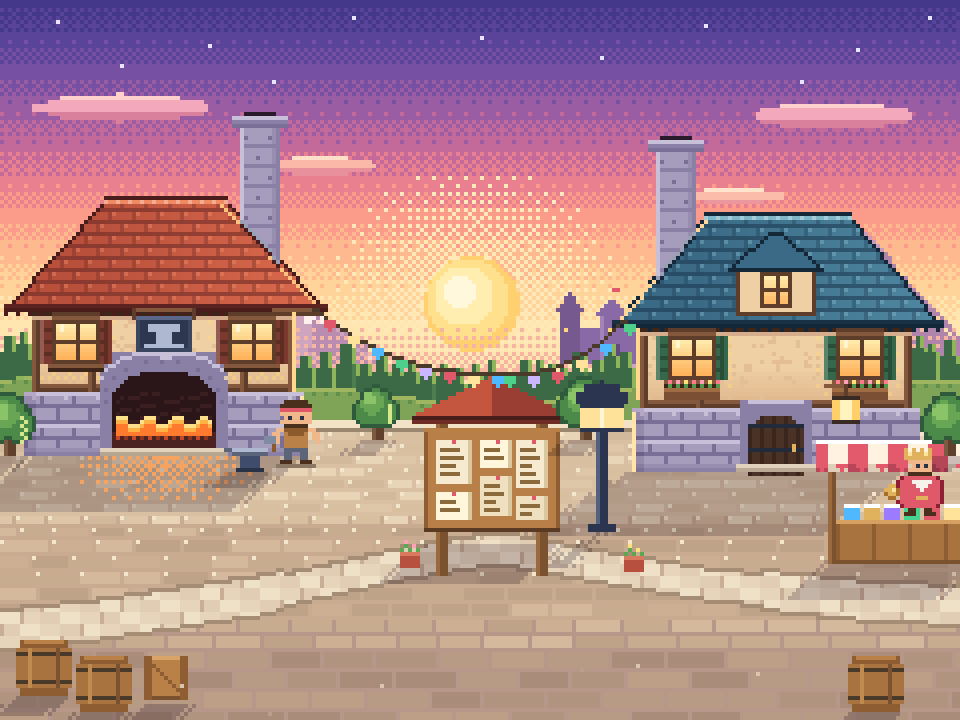
Quiet spell, hotfix, studio post, major release: the same heroes as Issue 01 on patch day in the town square. The meter in the corner is the multiplier we measured.
- 651,642
- review texts read
- 354
- Steam games
- 26,774
- releases logged in news posts
A major release brings a third more reviews in its month; a hotfix brings none. A year of silence cuts the flow of reviews by about 40% but leaves the rating alone. Studio posts between releases add about 5–6%. We re-tested all of it on games that were not part of the original search.
 01What brings the audience back
 02Do updates damage the rating?
 03What a quiet spell costs
 04Between releases: studio posts
 05The early warning sign
 06Who writes, what buyers see
 07What players forgive
 08The Steam calendar
 09Free-to-play versus premium
 For specialists
 Issue 01 · the first issue
The Trust Atlas
Why negative Steam reviews punch above their weight — across four stages of a game’s life, six bands of playtime and fifteen kinds of game.
Players leave the castle and say what they think. Kind words fade fast; criticism rises higher and travels all the way to the people who made the game.
- 202,000
- Steam reviews
- 3,111
- games
- 15
- genre clusters
- 4
- lifecycle stages
Most reviews recommend the game. Criticism still travels further: it clears the “helpful” bar more often, peaks after launch month, and splits veterans by genre. Corpus window Jan 2025 – May 2026.
 01Lifecycle
- 02First hours
 03Community response
- 04Veteran reviews
 05Language & scale
- 06Review length
- 07Publisher action map
- Method & limits
 Who it’s for
What you can find here
Every issue studies what players write in public, across many games at once, and publishes the evidence with its limits. Different readers use that in different ways.

Developers
Patterns beyond a single game
How players describe games across many titles and stages of a game’s life — a way to tell a pattern your genre shares from something specific to your game.
For studios
Publishers
Like-for-like reference points
Results broken down by genre, market model and review volume, each with its sample size — a baseline for reading reception against comparable games.
For publishers
Journalists
Checked findings, ready to cite
Numbers that have been recounted before publication, reusable charts, citation lines, and a plain statement of what each finding does and does not support.
Press room
Researchers & players
Method in the open
Sampling decisions, checks and limits published with every issue — including the patterns that did not hold up. Corrections are made publicly.
How we workNext quests
What we are researching next
Topics we plan to research. They are questions, not findings: none of them is a result until it ships.
 Planned
Player trust in live-service games
How trust is earned, spent and rebuilt in games that never ship a final version.
 Planned
Why players return after quitting
The language of the comeback — and what changed their mind.
- Planned
The language of veteran criticism
What someone with 500 hours says that a newcomer doesn’t.
- Partly answered
Update backlash
Issue 02 found that updates do not move the rating on average. Still open: what players say when a single patch goes wrong.
- Planned
Pricing and “worth it” language
How players talk about money, sales and refunds.
- Planned
Story complaints
What players mean when they say the story is bad.

Bring us something worth investigating
A question about your genre, a story that needs checking, a number you think we got wrong. One address reaches the studio, and a person reads it.